A quality mark that proves the claim on your label was really tested.
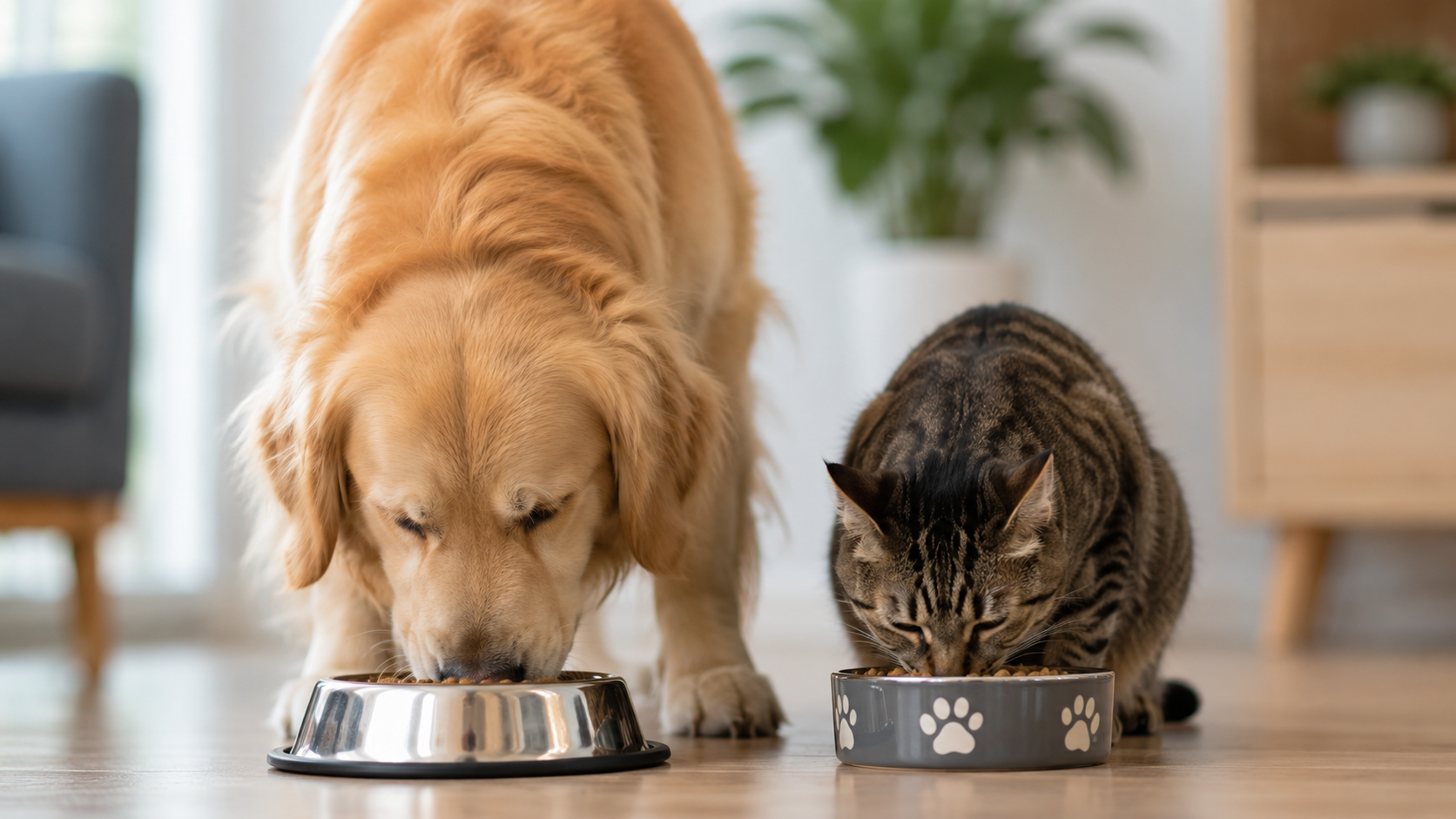
An independent lab checks each claim on real dog or cat cells. No animals are harmed. Pass the test, and your product earns the mark.
A quality mark that does the convincing for you
It’s a badge for your pack that shows a health claim was checked in an independent lab — not just copied from an ingredient sheet. It works for two people at once: you, and the person buying your product.
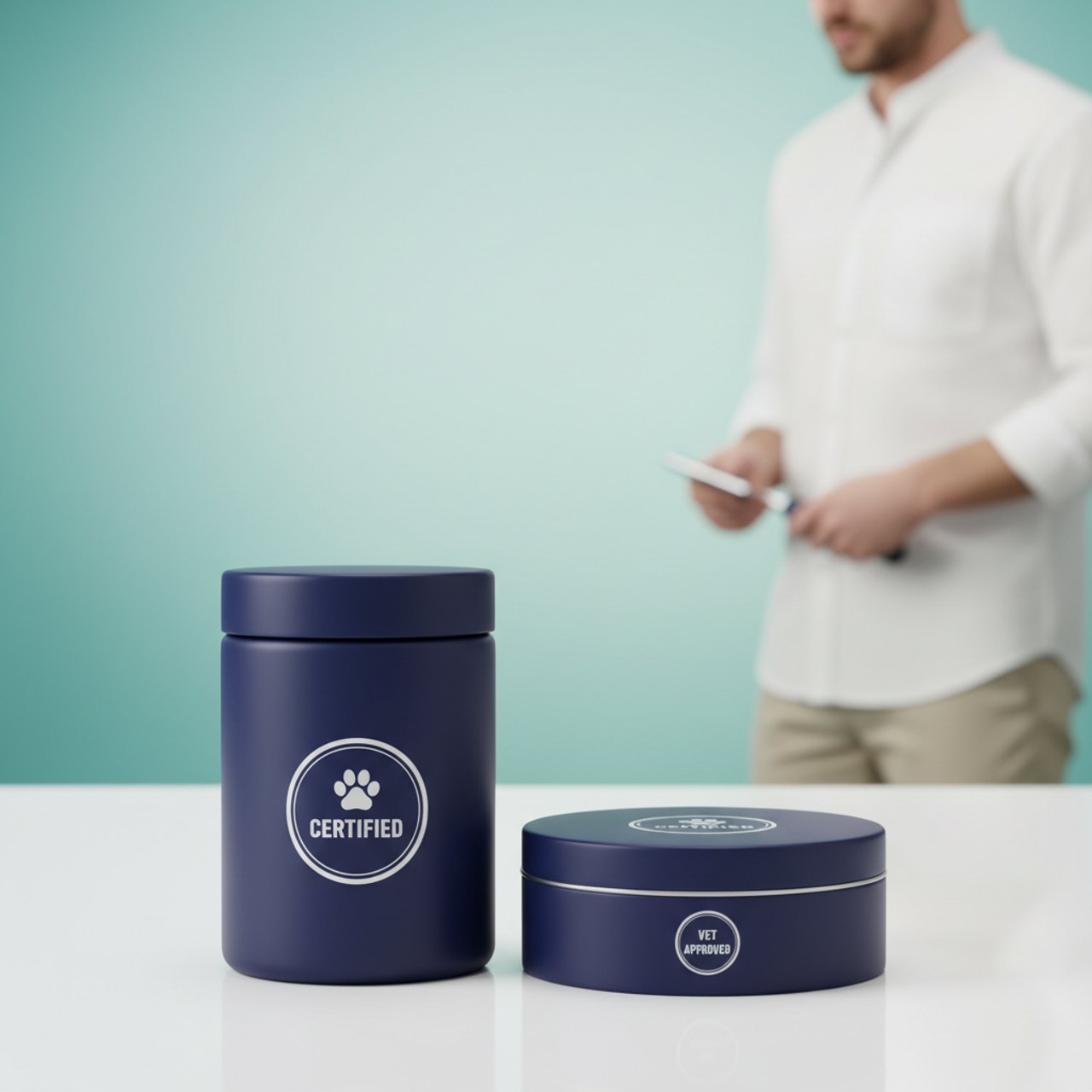
For your brand
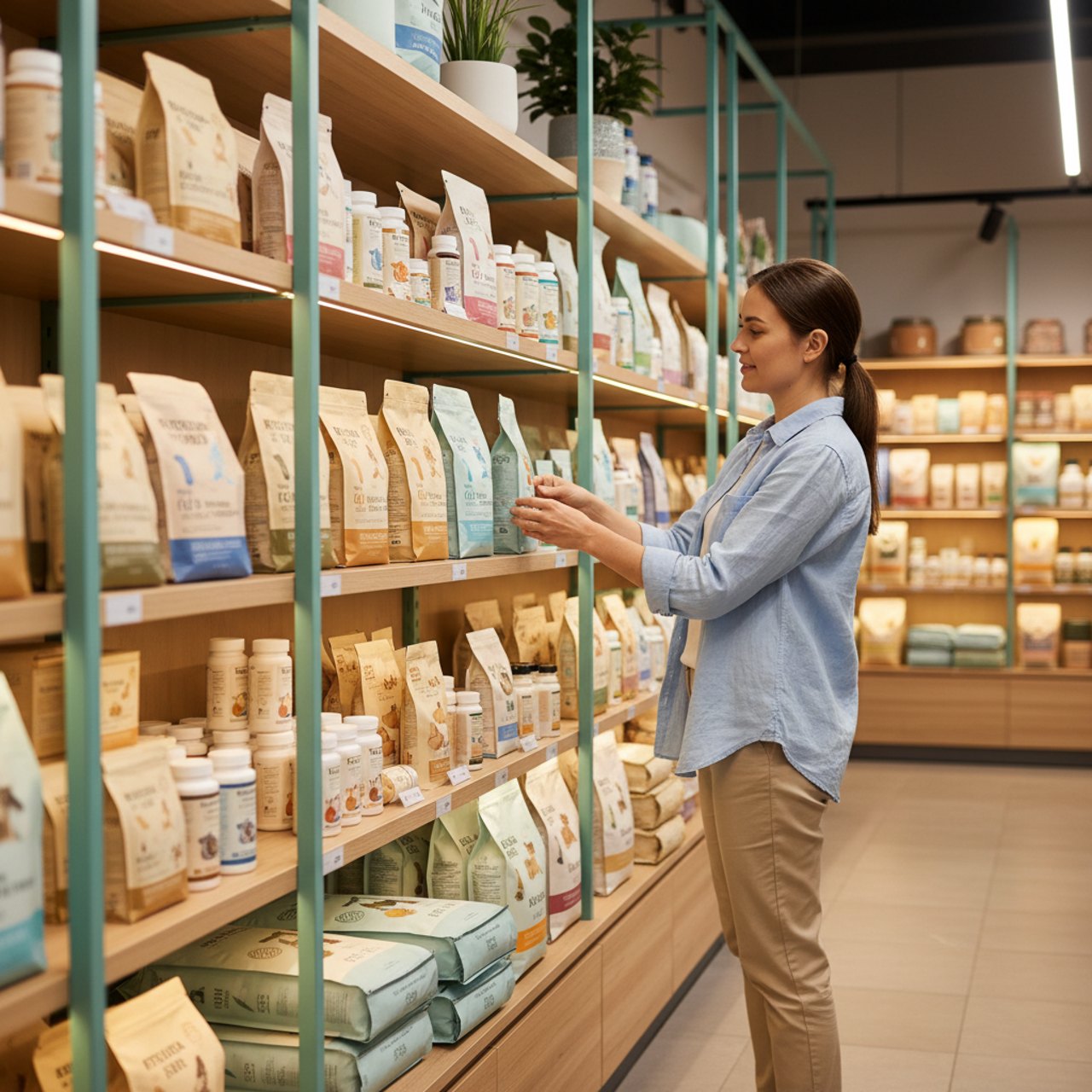
A claim you can put on the pack, the website, and your ads.
Proof retailers and distributors will accept when they ask for it.
A solid reason to charge a little more — or win the shelf next to a rival.

For your customers
A simple sign the claim was actually tested, not just promised.
Confidence they’re spending on something that was checked.
A mark they can spot and trust on a busy shelf.
The mark is given per product, for one claim at a time — and it comes with a short Code of Conduct (below).
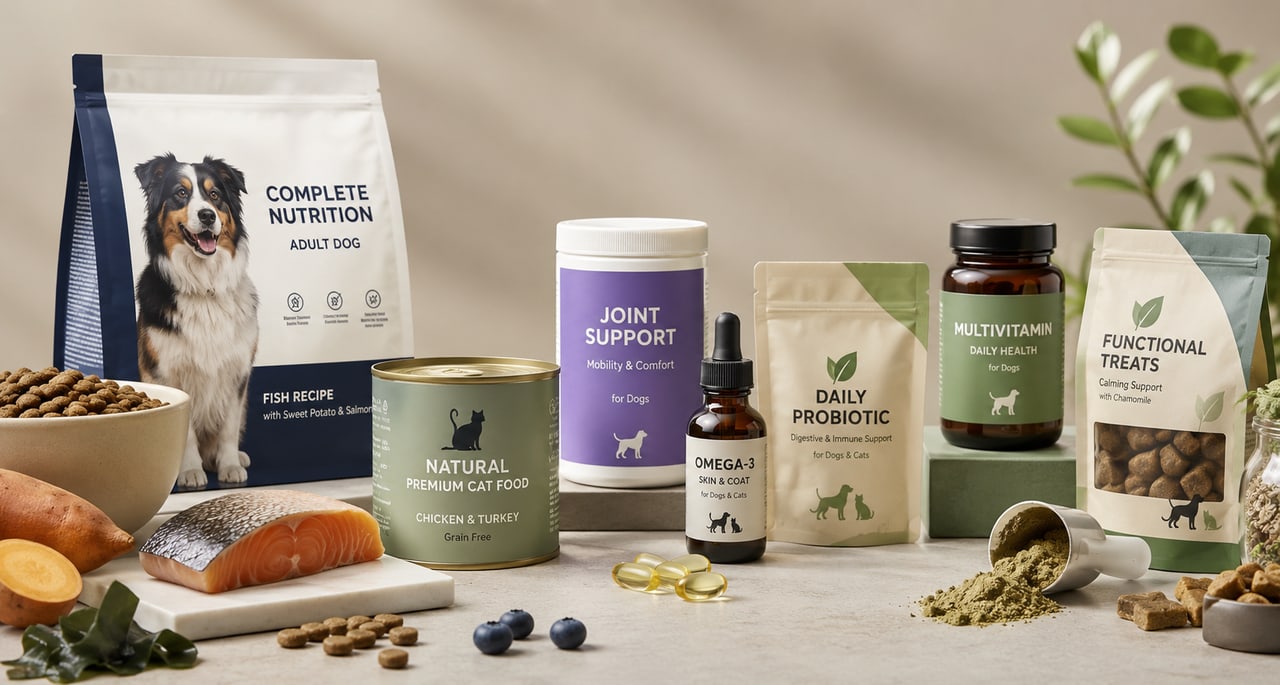
How many extra sales pay for the mark?
We won’t promise you a sales bump — nobody honestly can. So here’s the only number that matters: how many extra units you’d need to sell each day, for one year, to cover the cost. Put in your own numbers.
Five steps to a certified claim
No scoping call. No recipe to hand over. You send the finished product, we do the rest.

- 1
Pick your claim
Choose the one health claim you want to prove.
- 2
Send the product
Post us the finished product. No recipe to share.
- 3
We test it
2–3 weeks for most claims, 4–6 for tricky ones.
- 4
You pass
Certified, and cleared to use the mark for 12 months.
- 5
Keep it going
Re-test, add batch checks, or let it lapse.
Certify 1 product, test 1 product for free
€3,000 | $3,400 | £2,650 per claim
Is the Quality Mark right for you?
A good fit if…
You’re launching or relaunching and want a claim that stands out.
A retailer or distributor is asking you to back up a claim.
You want to raise your price and need a reason customers accept.
Your claim came from a supplier and you’ve never checked it on your own product.
Probably not, if…
You need to explain why the claim works, not just that it does.
You need a medical or clinical (disease) claim.
You want to help design the study, not use a fixed pass/fail test.
Nine areas we can certify a claim in
Pick the one that fits your product. No area is bigger or better than the rest — they’re all backed the same way.
The Code of Conduct for Quality Mark holders
The mark only means something if every holder plays fair. When you earn it, you agree to a short, simple Code of Conduct — what you promise to do, and what keeps the mark valid over time.

What you promise
Use the claim exactly as it passed. No stretching it to new benefits, new doses, or a species we didn’t test.
Tell us if the recipe, a supplier, or how it’s made changes in a real way — that means a re-test.
Report any bad reaction a customer or vet links to the claim within 15 business days of hearing about it.
Only put the mark on products that were actually tested. It’s per product, never a free pass for the whole range.
Accept that the mark can be paused while we look into a reported reaction or a recipe change.
What keeps the mark valid
A real lab test, passed
Your product passes the test in at least one of the nine claim areas, run on dog or cat cells.
Stay honest about adverse events
You report any adverse event linked to the claim. If we find an unreported one, the mark is paused.
Re-test when things change
Change the formulation, swap a supplier, or change how it’s made in a way that could affect the result — and it needs a fresh test.
12 months validity
Renew it with a new test, or keep it live with ongoing batch checks — your choice.
30 days grace period
Using the mark after it runs out, without renewing, breaks the Code of Conduct.
Turn your claim into proof
Book a testing slot or ask us a question. You will have a clear answer and a quote within two business days.
Frequently Asked Questions

Need the science behind the claim, not just the mark?
For brands that want to go deeper — how a claim works, how ingredients work together, or recipe-level studies, usually for the vet channel or manufacturers.